Styles
Best styles for living rooms
Eight styles that consistently convert for living rooms, with notes on the buyer they're designed to attract. All eight are available in your Pixly plan — most agents run an A/B test between two or three styles per listing before publishing.
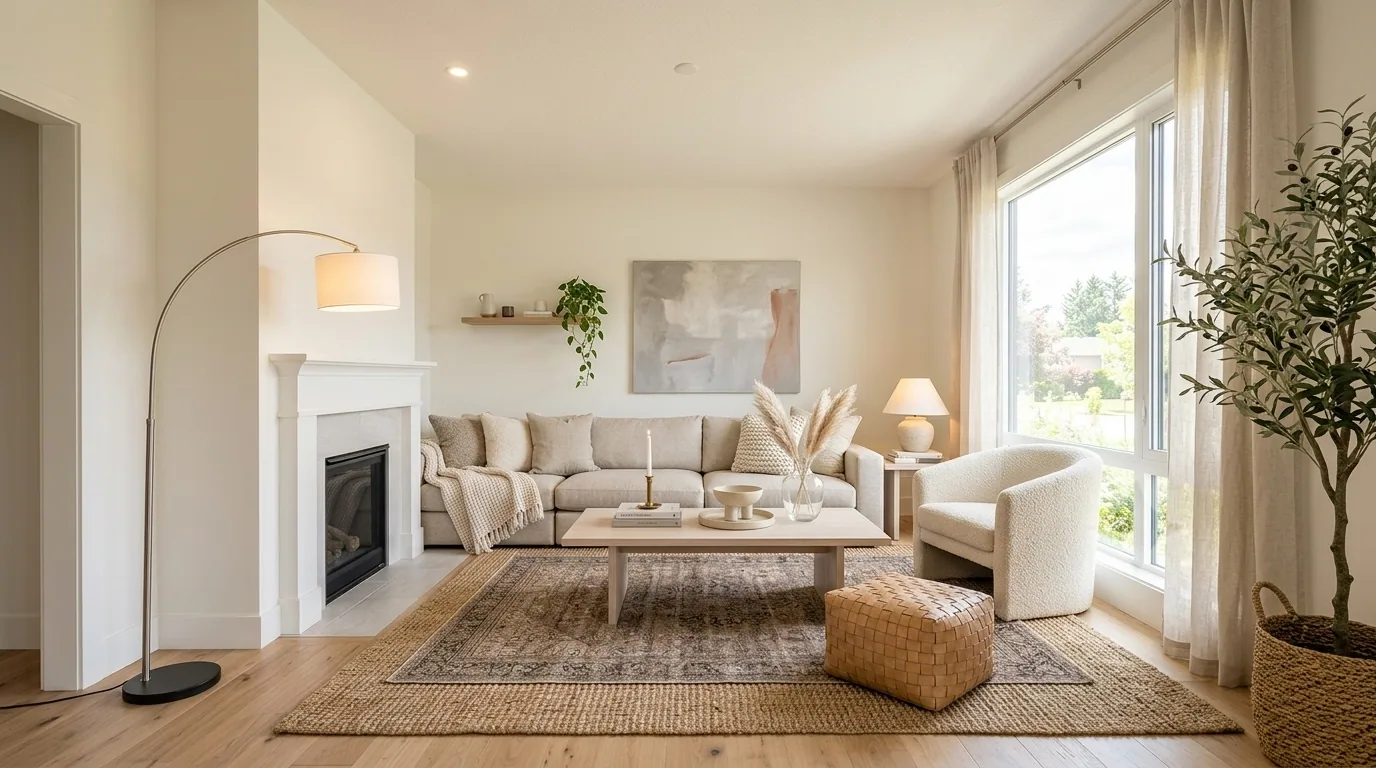
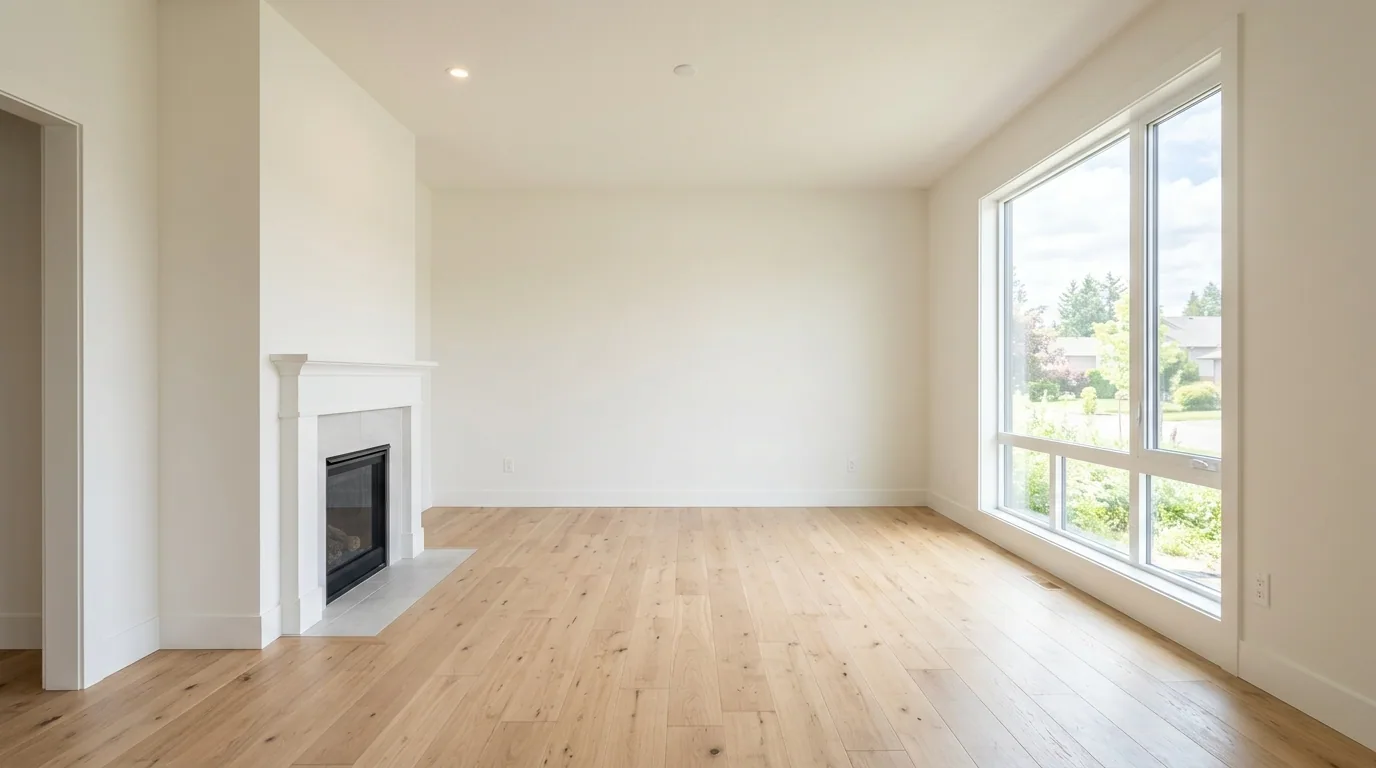
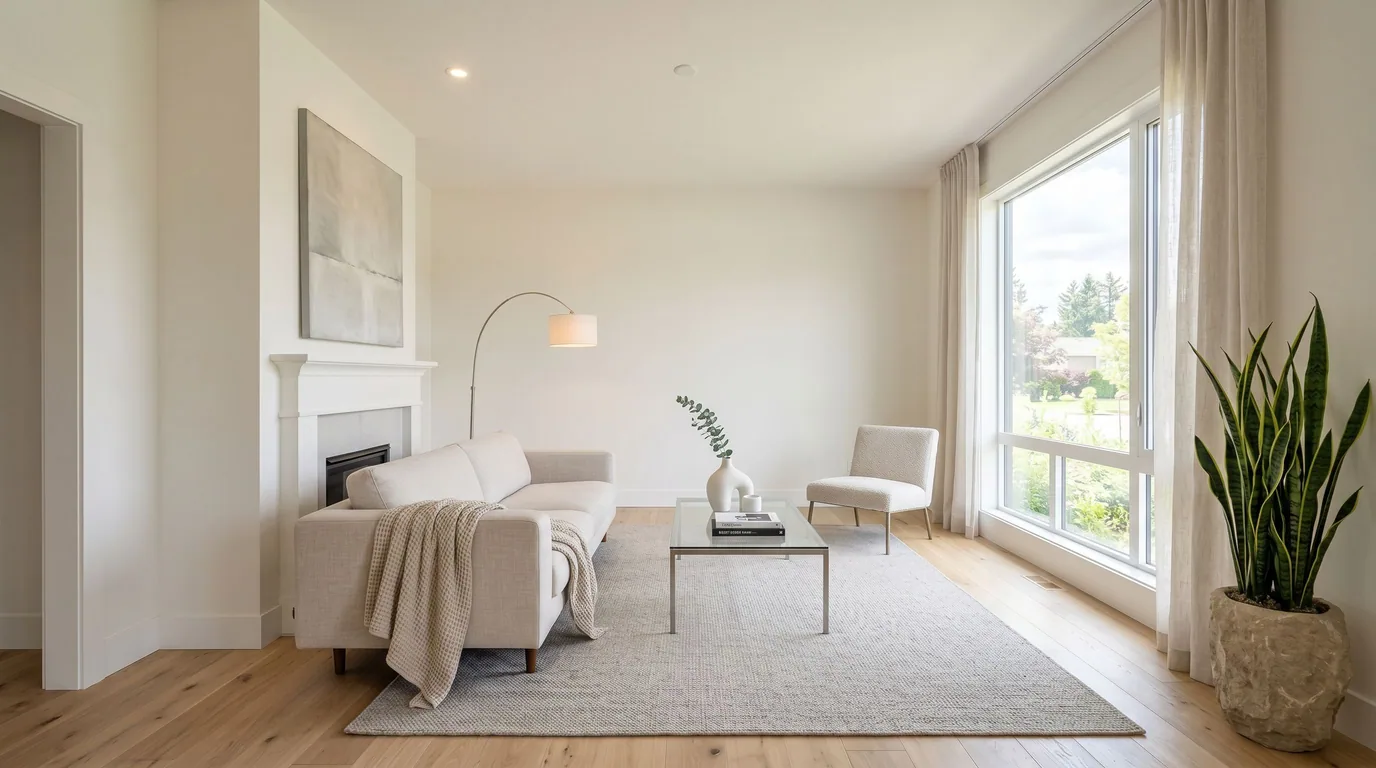
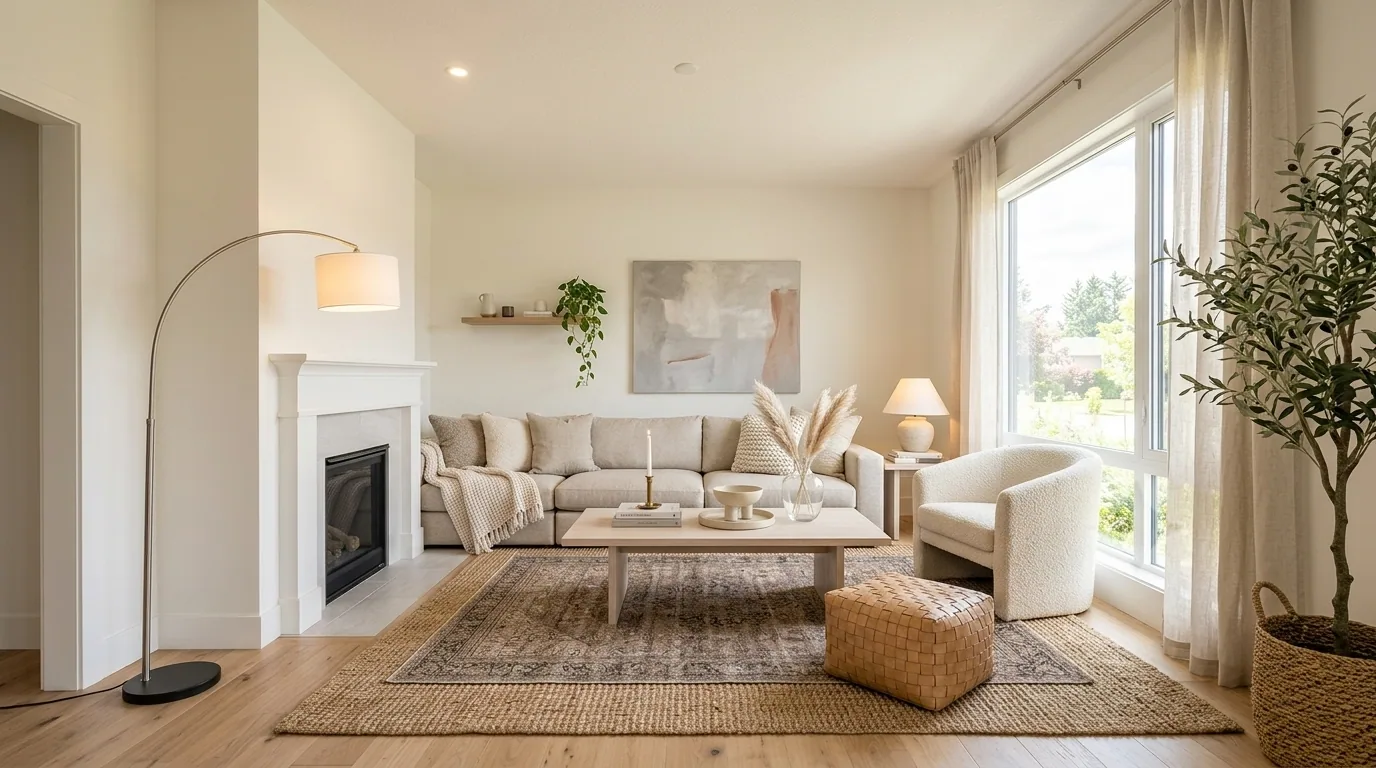
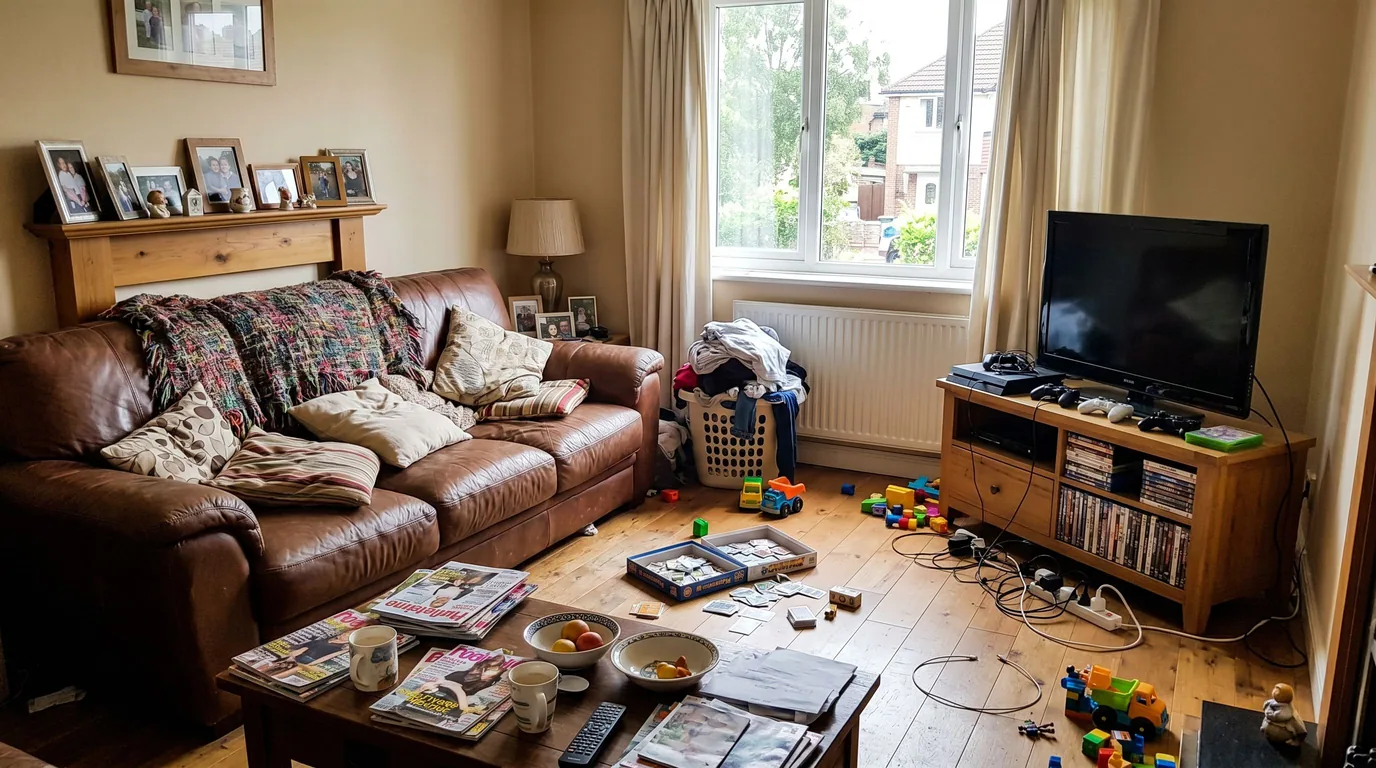
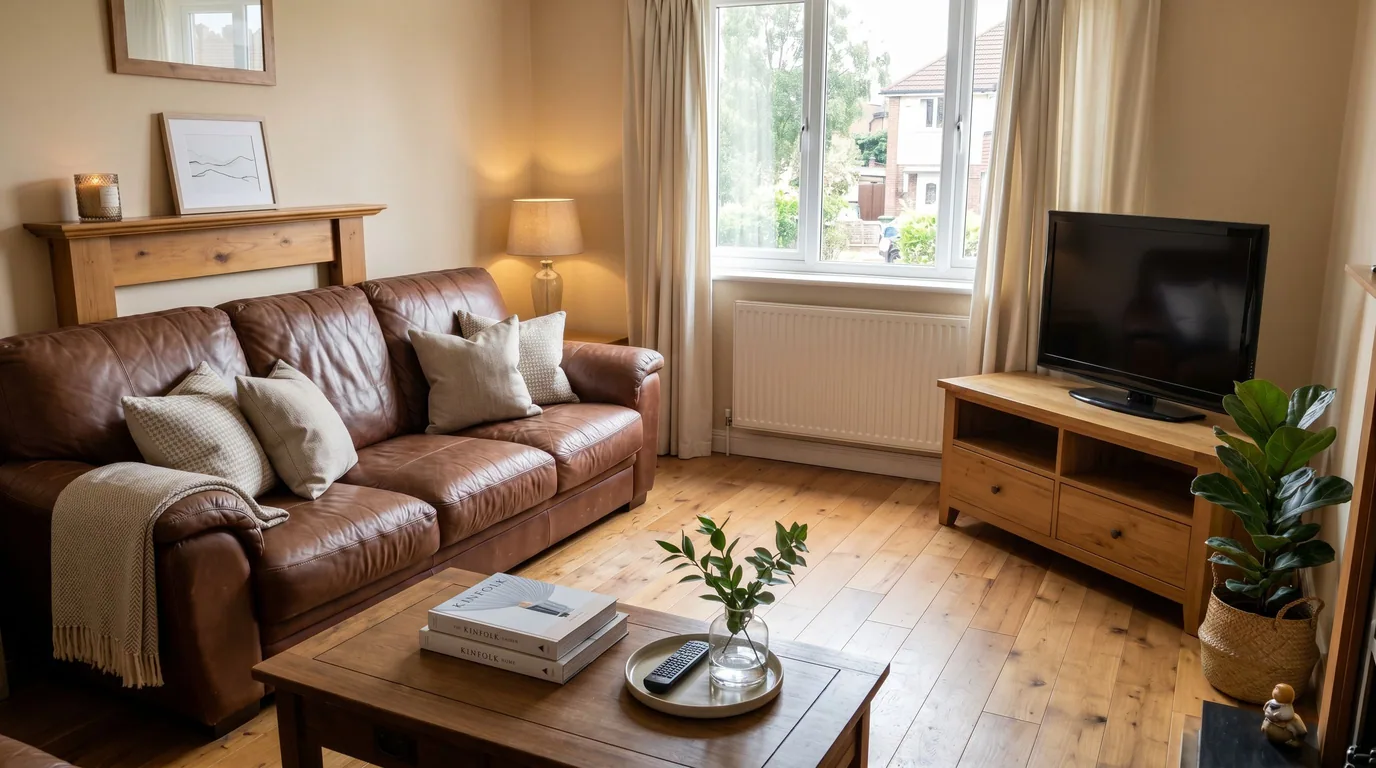
One empty room → every style below
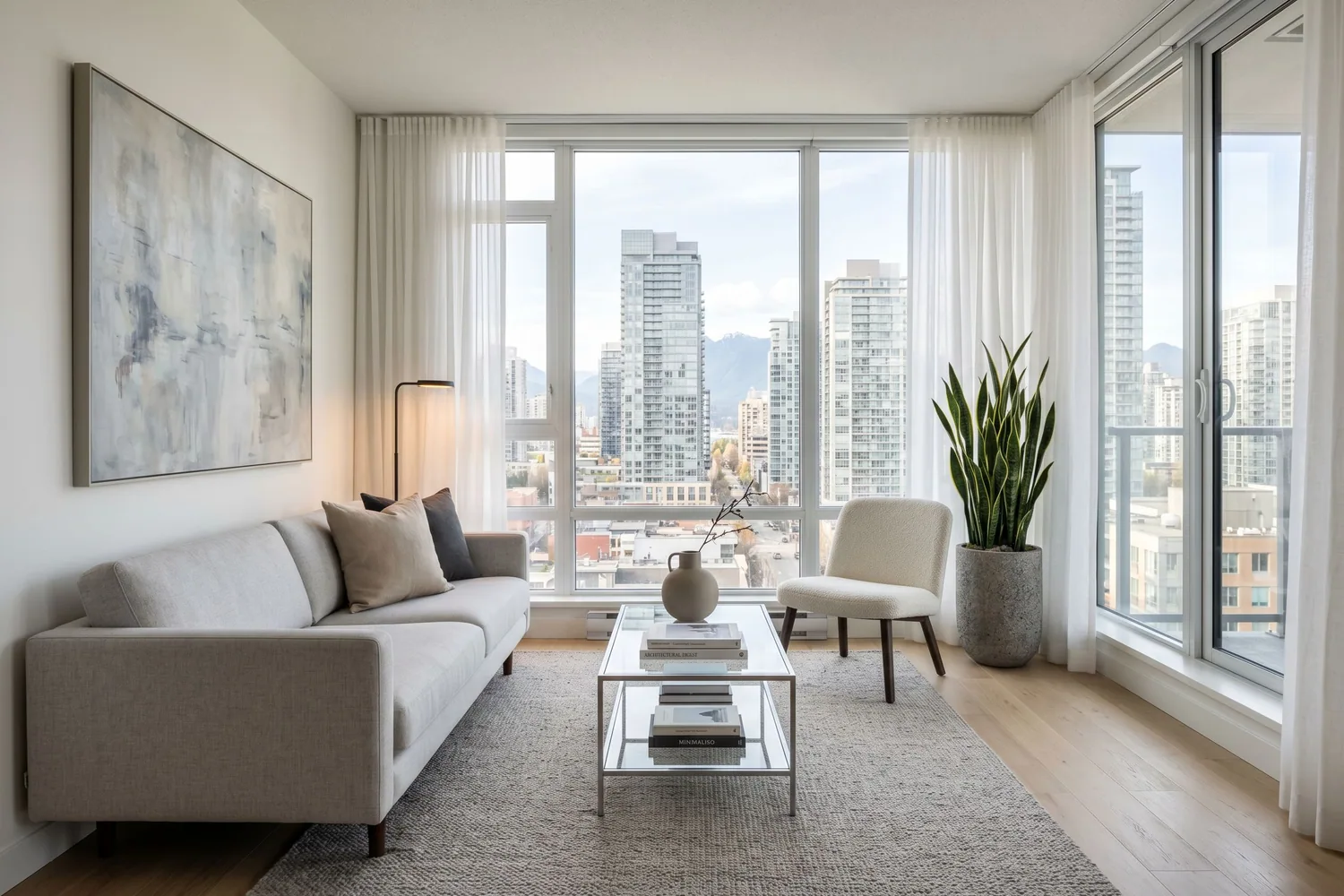
Modern Minimal
Clean lines, neutral palette, almost no clutter on visible surfaces.
Modern Minimal photographs exceptionally well in tight spaces because the absence of competing visual elements lets the architecture breathe. Works in any era of home but reads as especially intentional in newer construction and tech-corridor city listings.
Best for
1–2 bedroom condos and lofts, downtown listings, $400K–$800K range, buyers aged 28–42 who value uncluttered space.
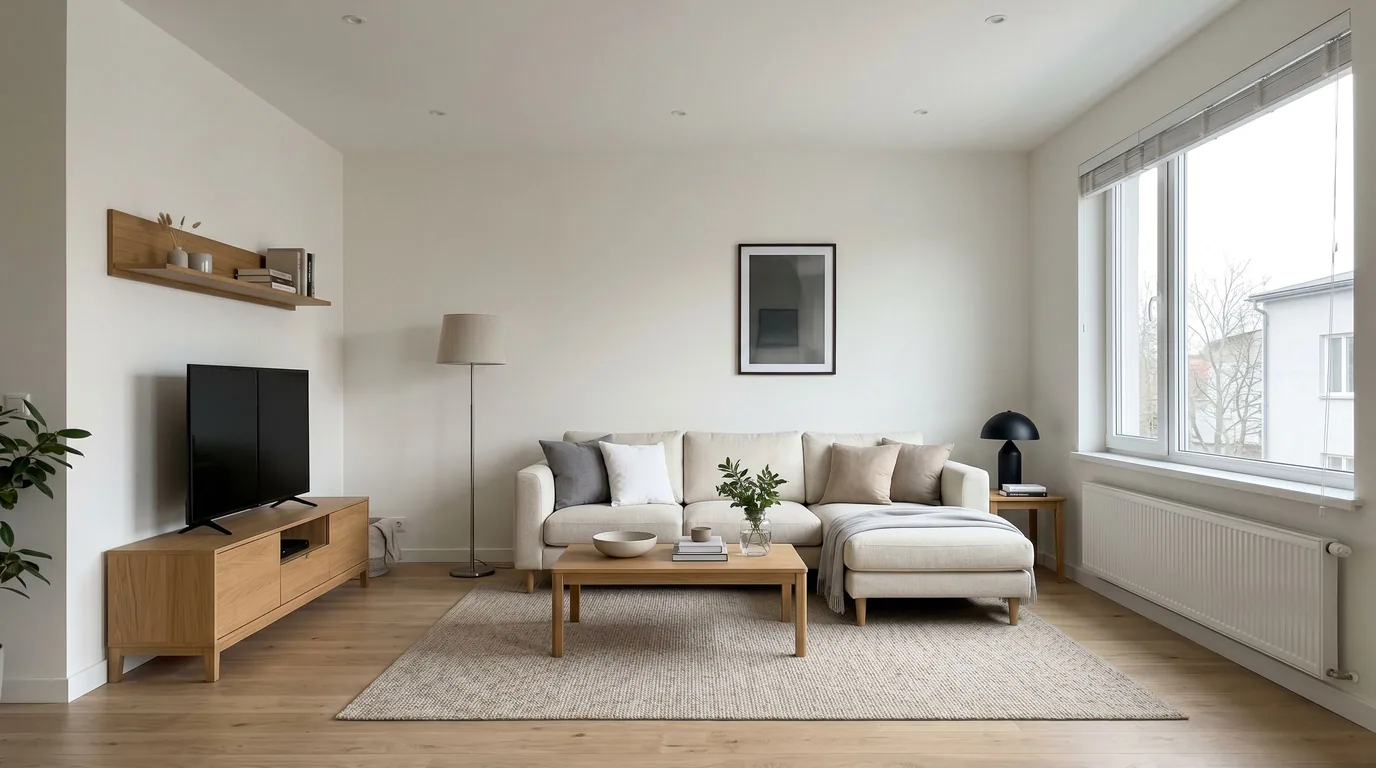
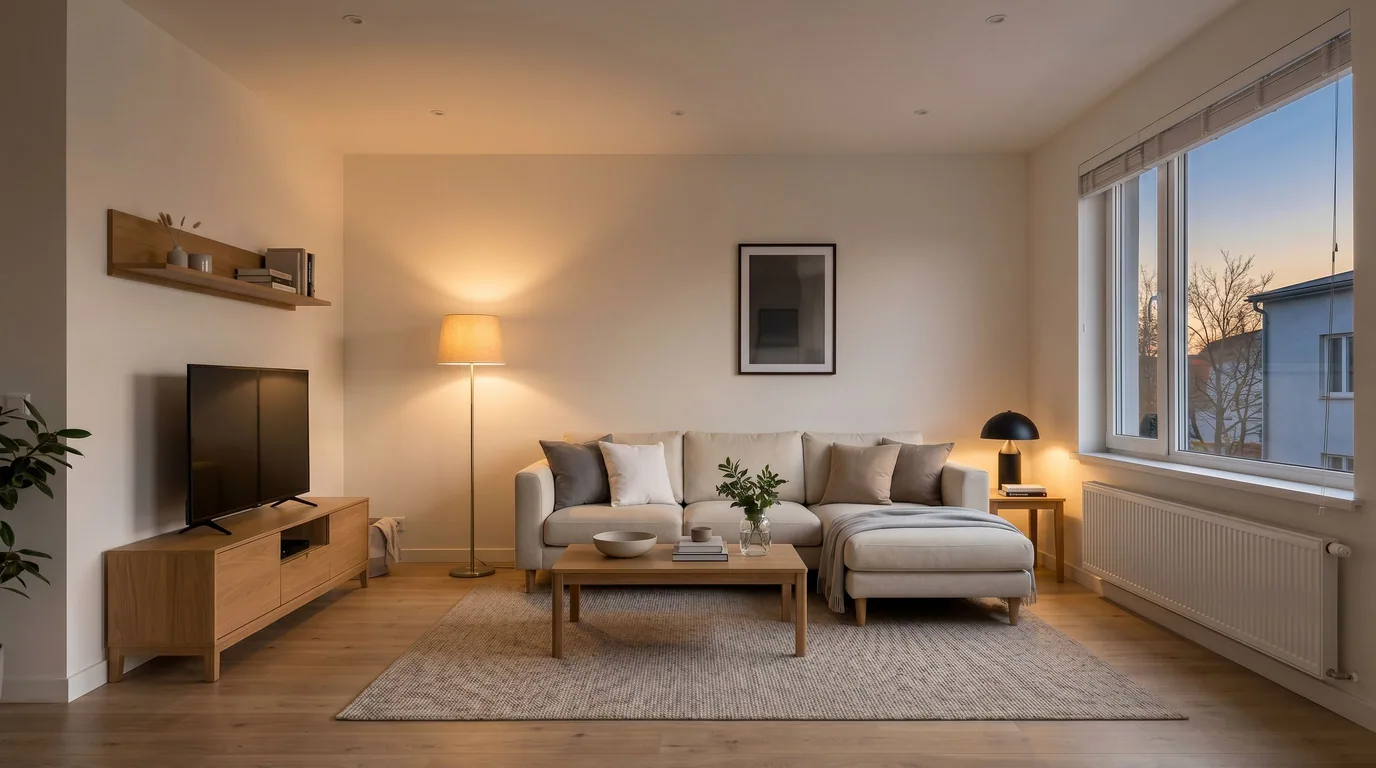
Scandinavian
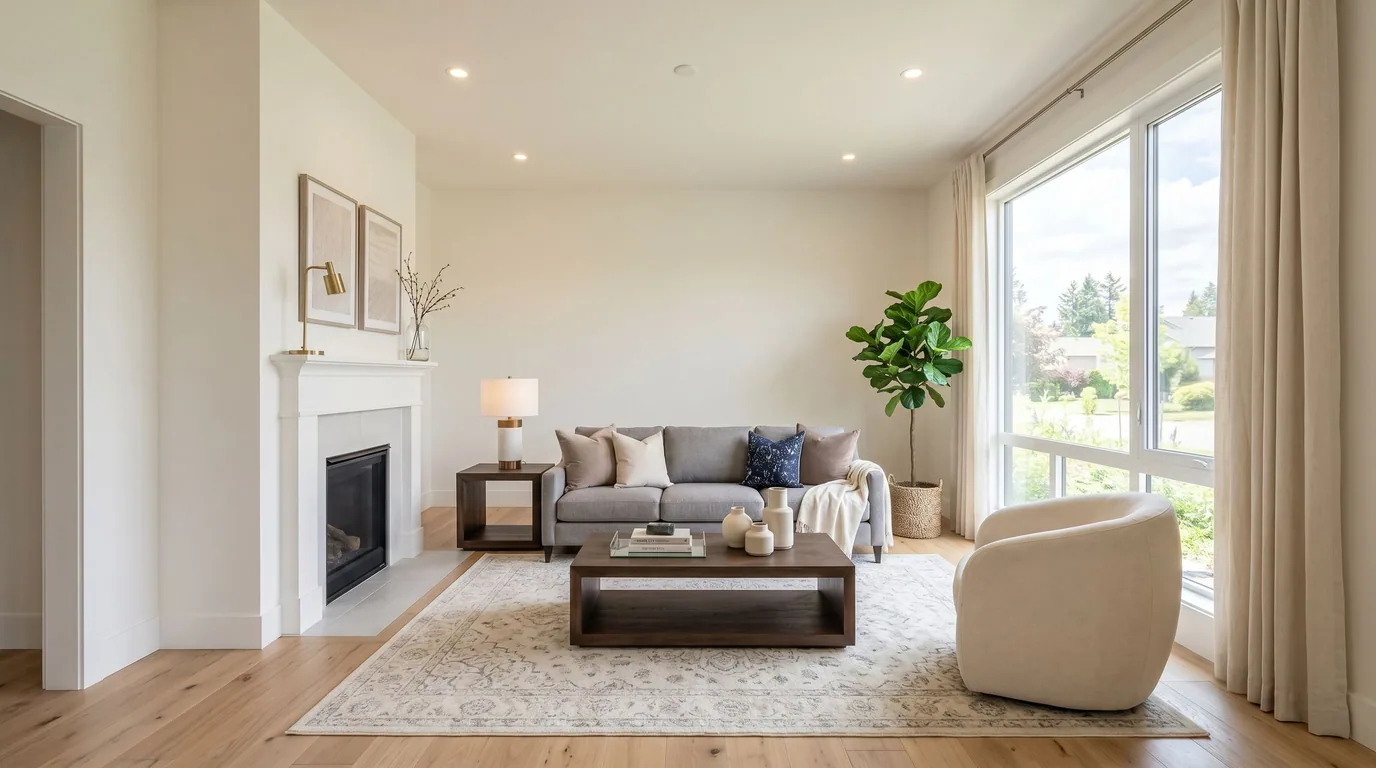
Light woods, white walls, soft textiles, and one warm accent color.
Scandinavian feels welcoming and uncluttered at once — the warmth comes from textiles (throws, wool rugs, pendant lights) rather than ornamentation. It's the most broadly liked style in North American suburban markets right now and rarely alienates any buyer demographic.
Best for
2–3 bedroom houses in suburban or near-suburban markets, first-time buyer pricing ($300K–$600K), broad-appeal listings where you can't afford to alienate any segment.
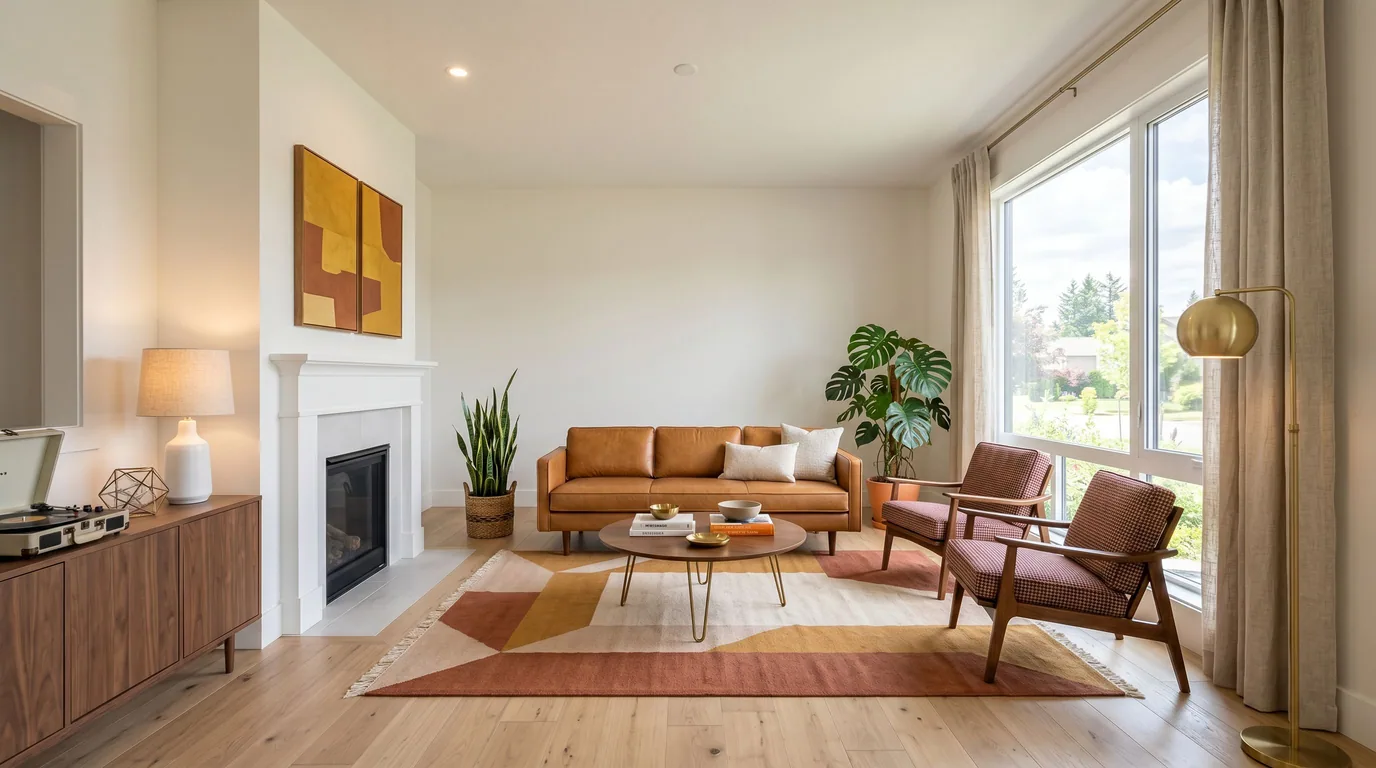
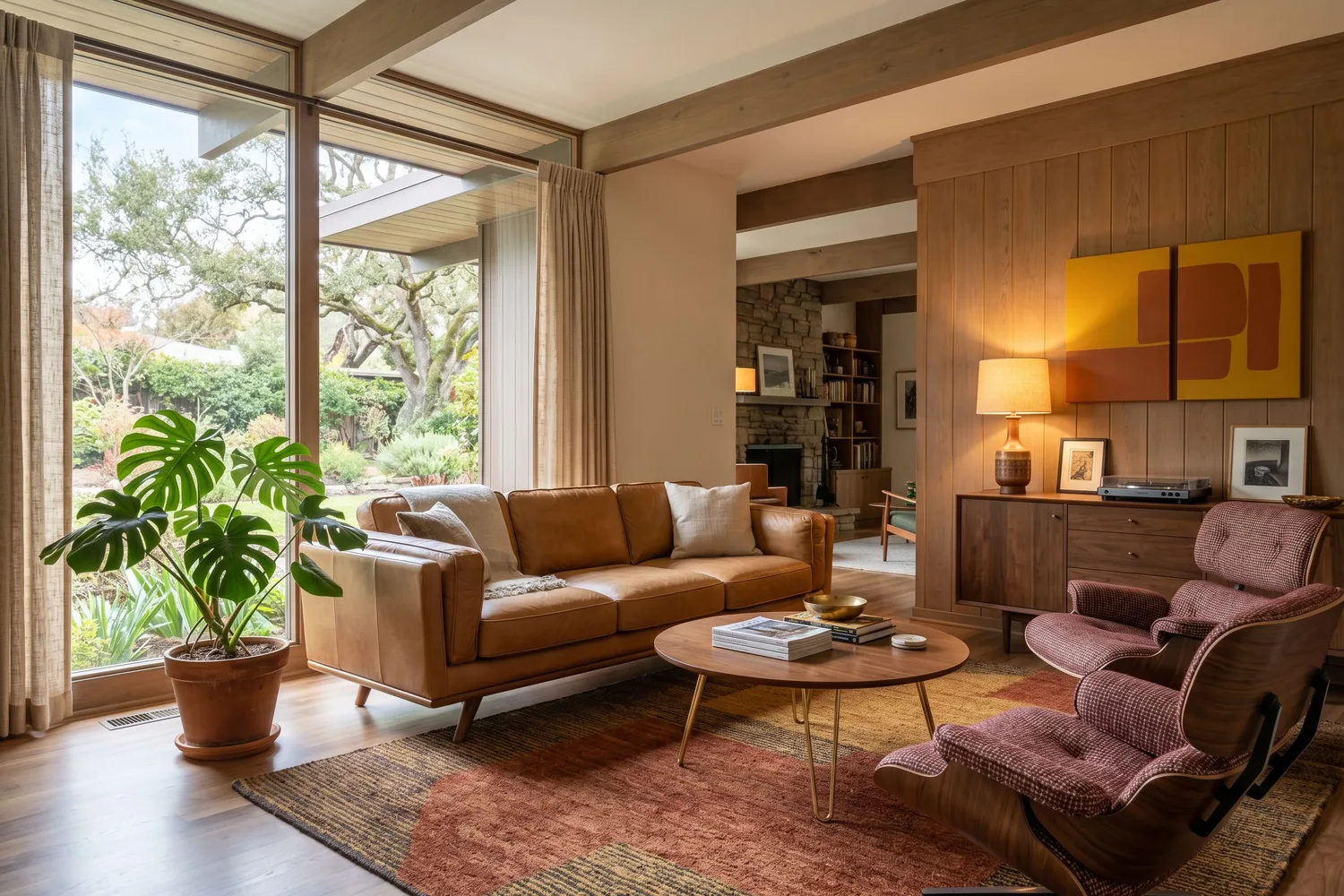
Mid-Century Modern
Walnut tones, brass fixtures, geometric patterns, sculptural seating.
Mid-century rewards architectural personality — Eichler ranches, post-and-beam construction, exposed-beam ceilings. The style draws attention to the room's bones rather than competing with them. Avoid it if the underlying room is plain box construction; you'll look like you're forcing it.
Best for
Character homes (1950s–1970s), ranches, Eichler-style construction, design-conscious buyer demographics, urban markets like LA, Portland, Austin, Denver.
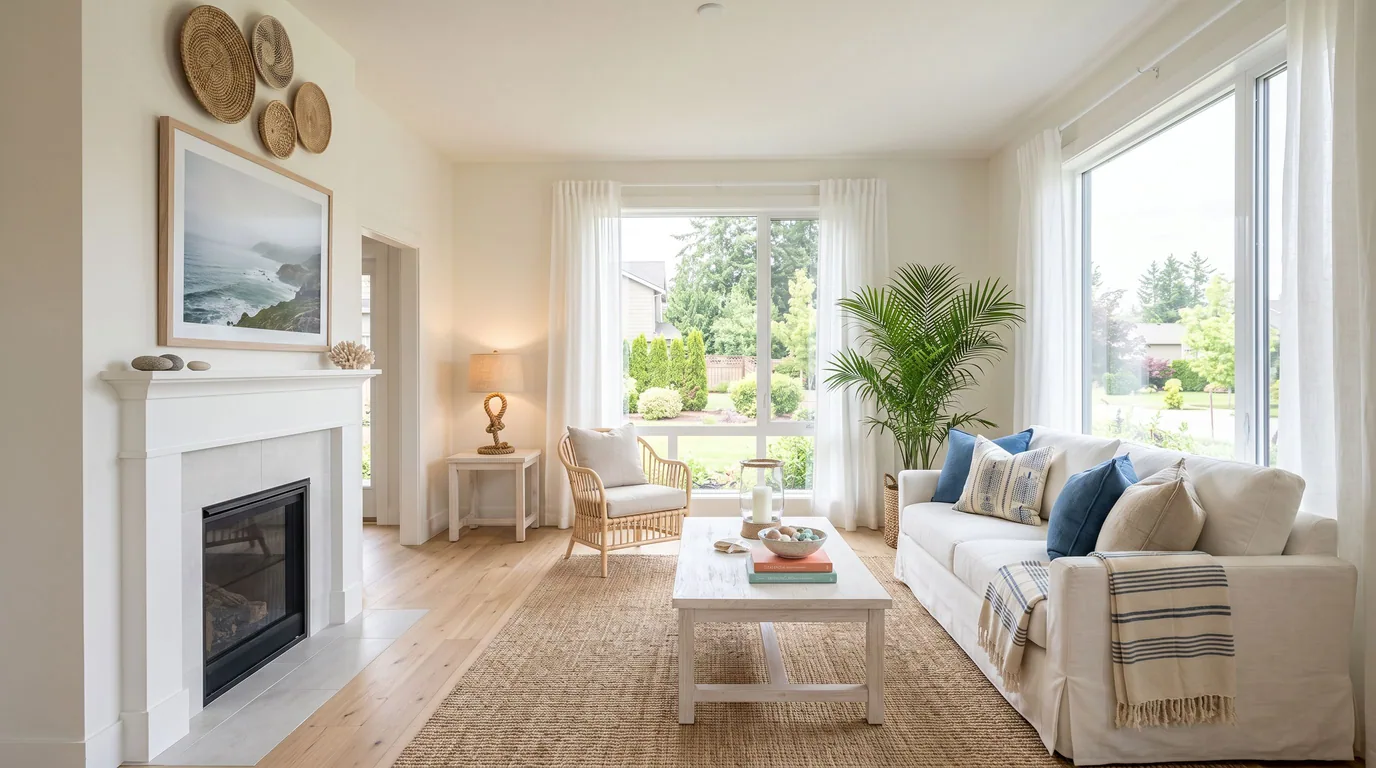
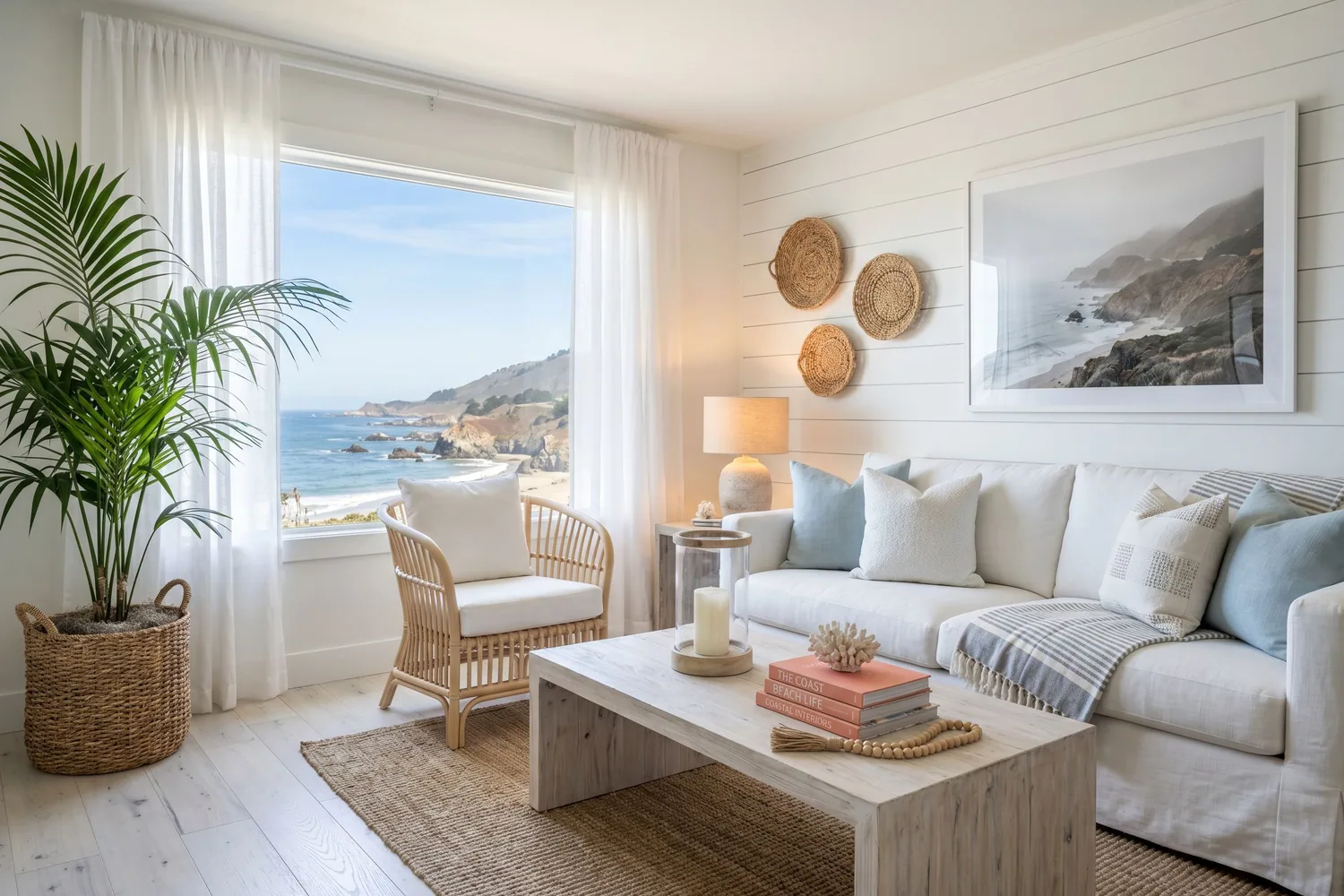
Coastal
White and soft-blue palette, rope textures, light woods, breezy feel.
Coastal makes any room read as airier than it actually is — the light palette and natural textures (rope, jute, linen) reflect light and make square footage feel generous. Especially powerful in markets where buyers already associate the area with vacation or waterfront living.
Best for
Florida, California, Carolinas, Gulf Coast listings; vacation-home and second-home markets; properties priced $500K–$1.5M with water proximity in the marketing.
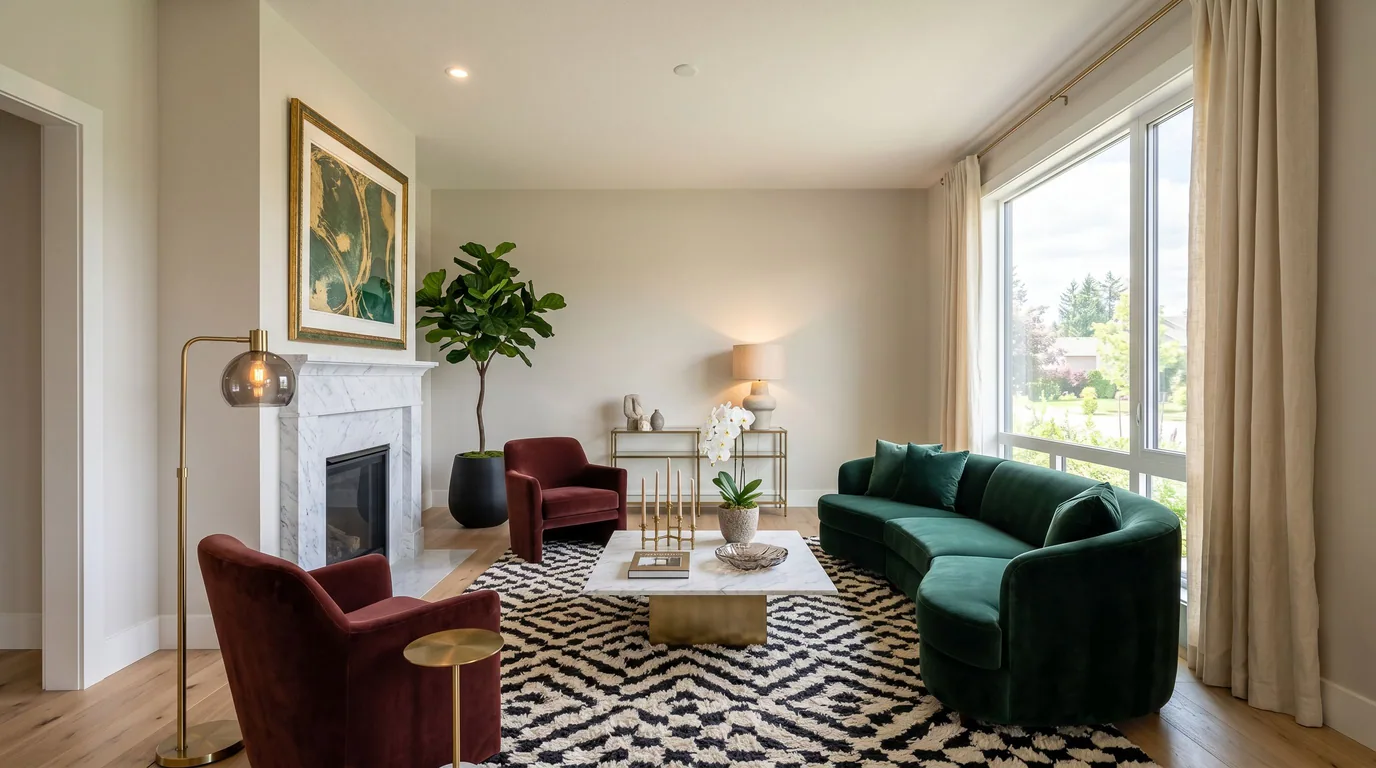
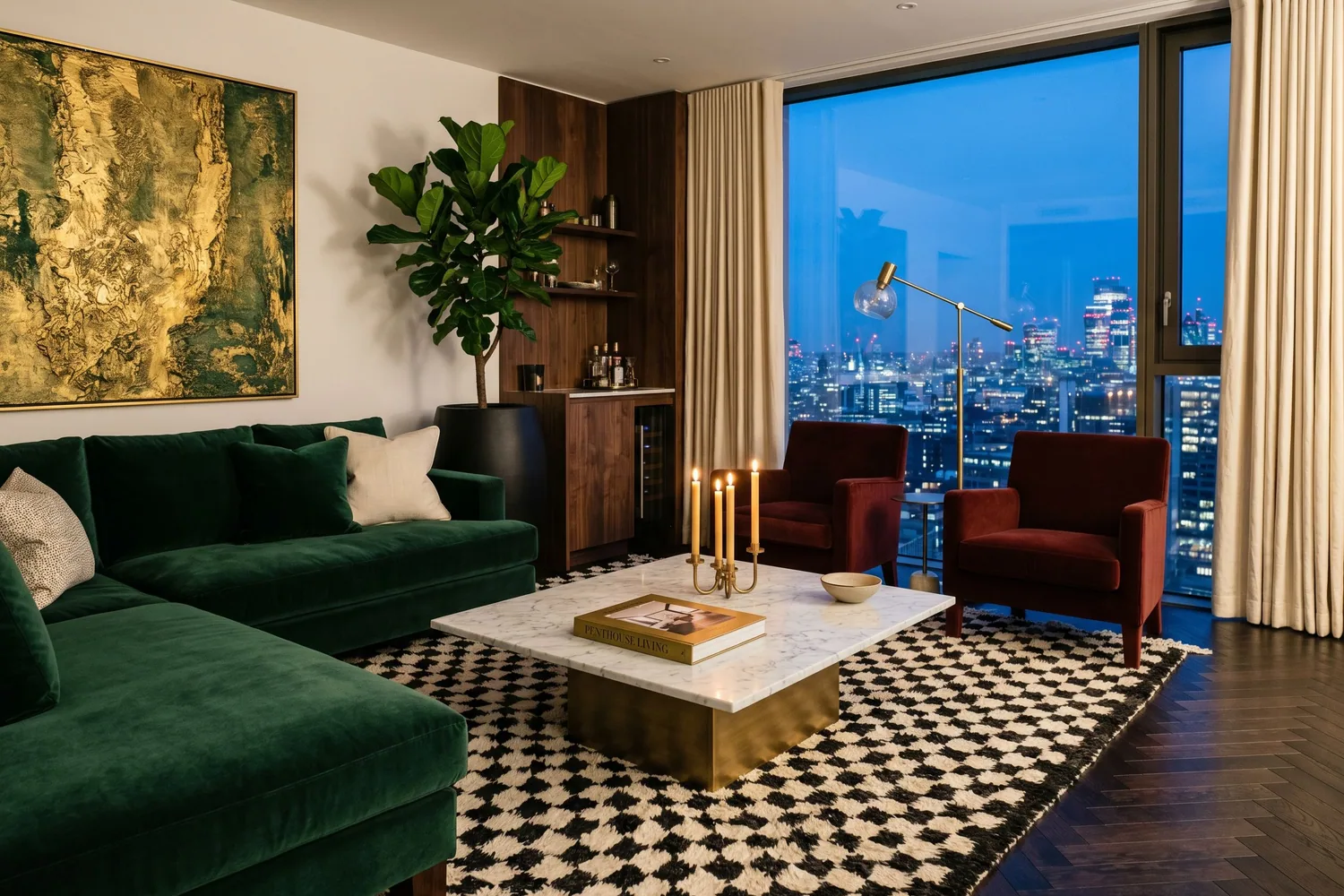
Modern Luxury
Velvet, marble, brass, dramatic lighting, statement pieces.
Modern Luxury earns its keep on premium-priced listings by giving buyers permission to spend. The materials photograph as expensive — velvet catches light, marble has presence, brass reads as warm and intentional. Don't use this style on mid-market listings; it'll read as overdressed and increase the gap between price and perceived value.
Best for
Penthouse, executive, and luxury single-family listings priced $1M+; buyer demographics aged 40+; markets where premium pricing requires premium presentation (NYC, Miami, LA, SF).
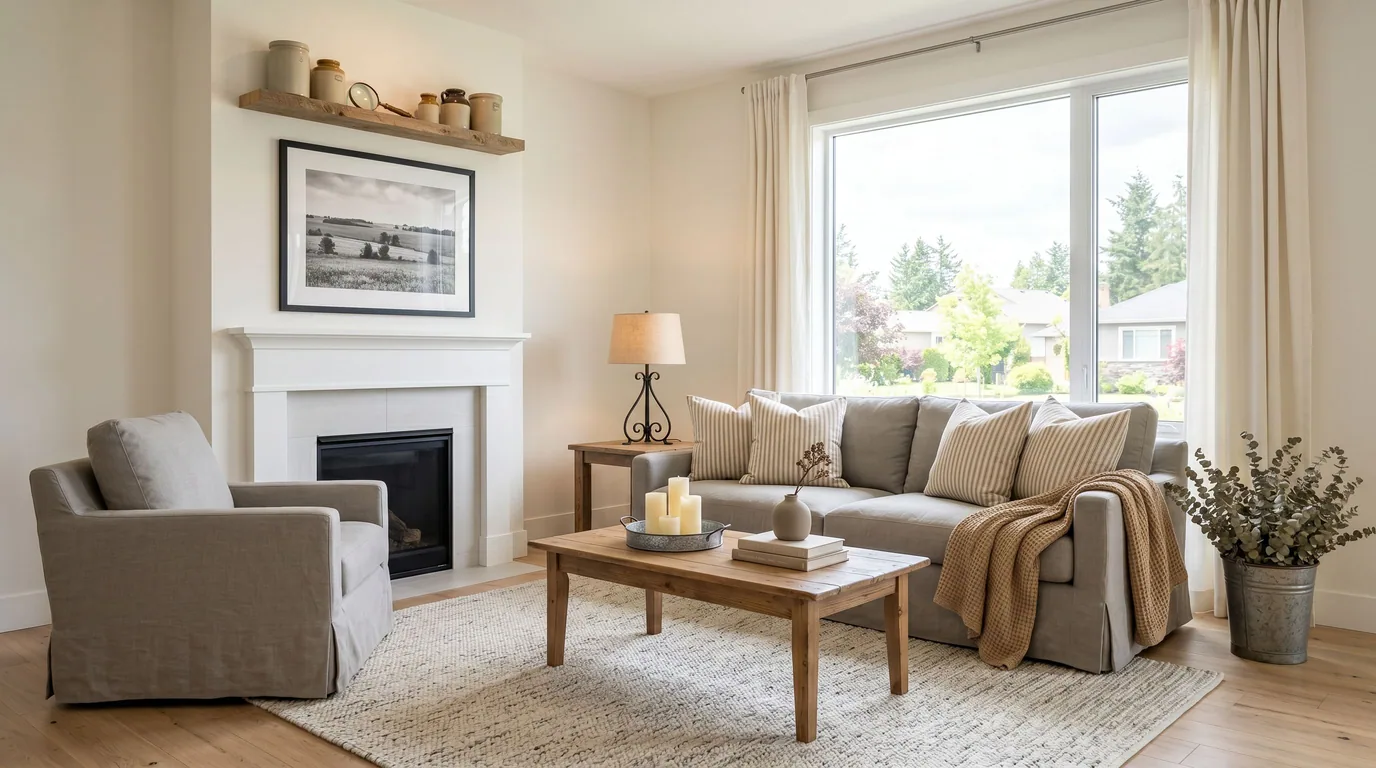
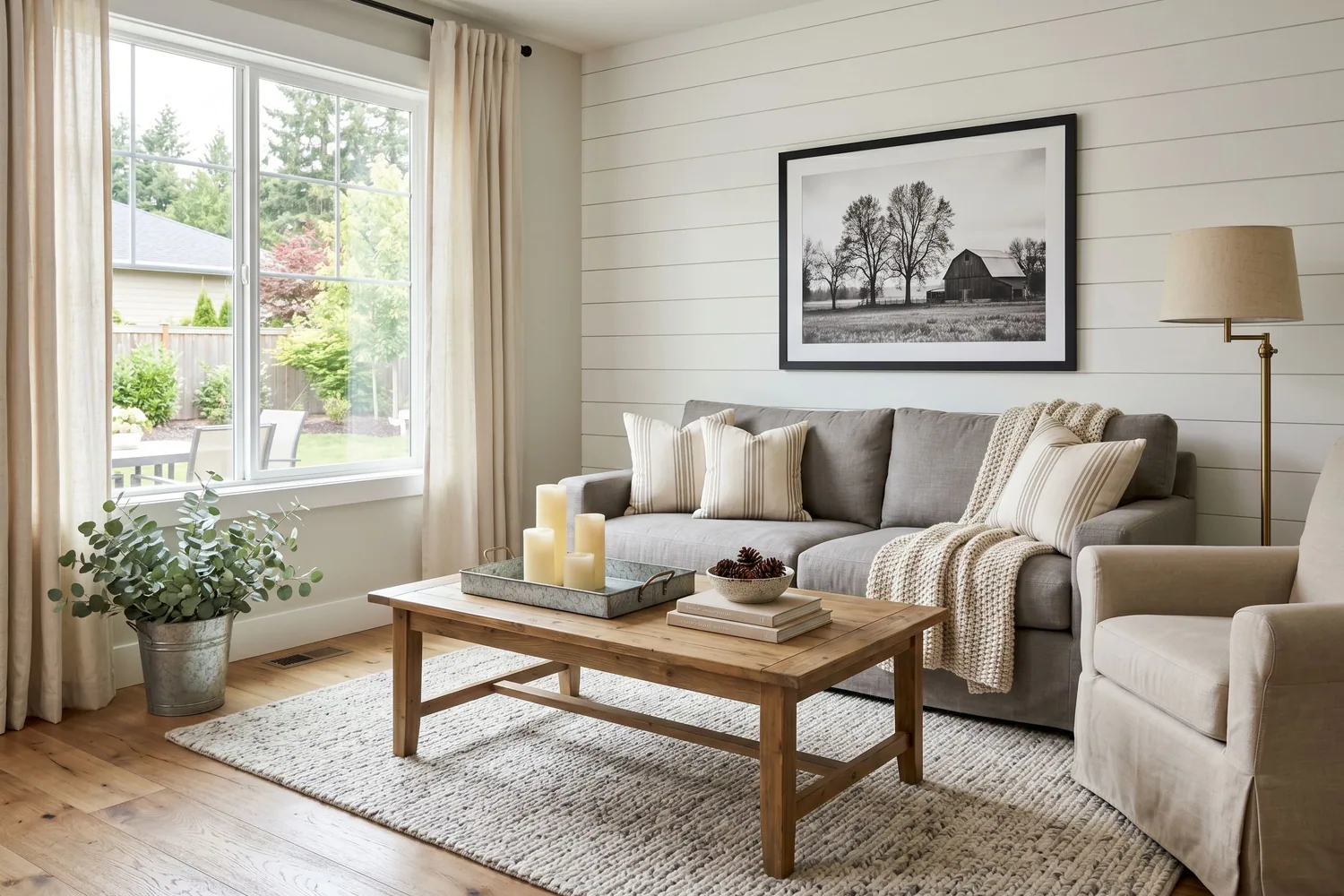
Modern Farmhouse
Shiplap, distressed woods, soft neutrals, just enough texture to feel collected.
Farmhouse has the broadest emotional appeal of any style in current US real estate — it reads as "home" to buyers across age and income demographics. It works on almost any house but lands hardest in suburban and exurban family-home markets where buyers are looking for warmth more than urbanity.
Best for
Suburban 3–4 bedroom family homes, exurban properties, midwest and southern markets, first-move-up buyer demographics ($350K–$750K).
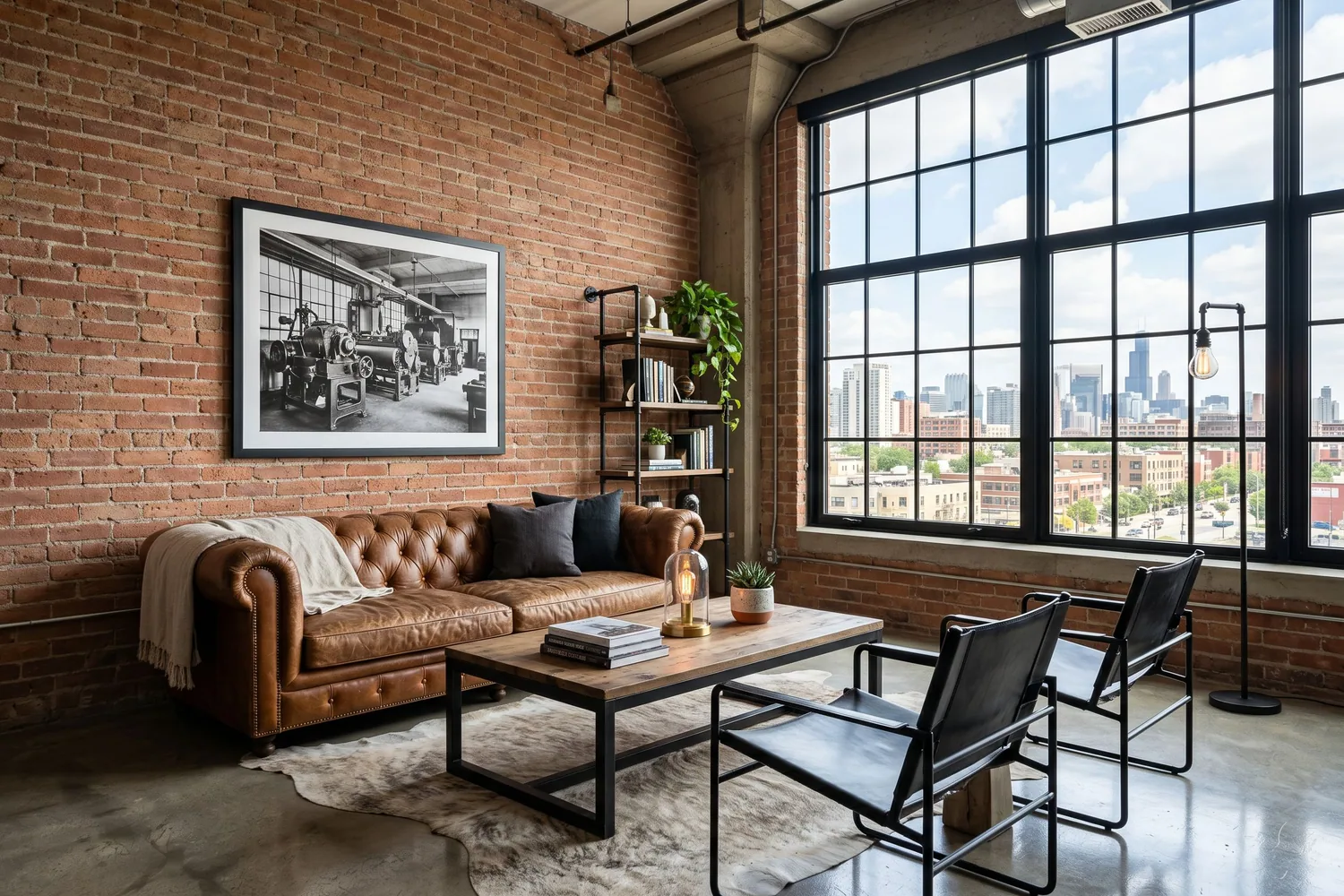
Industrial
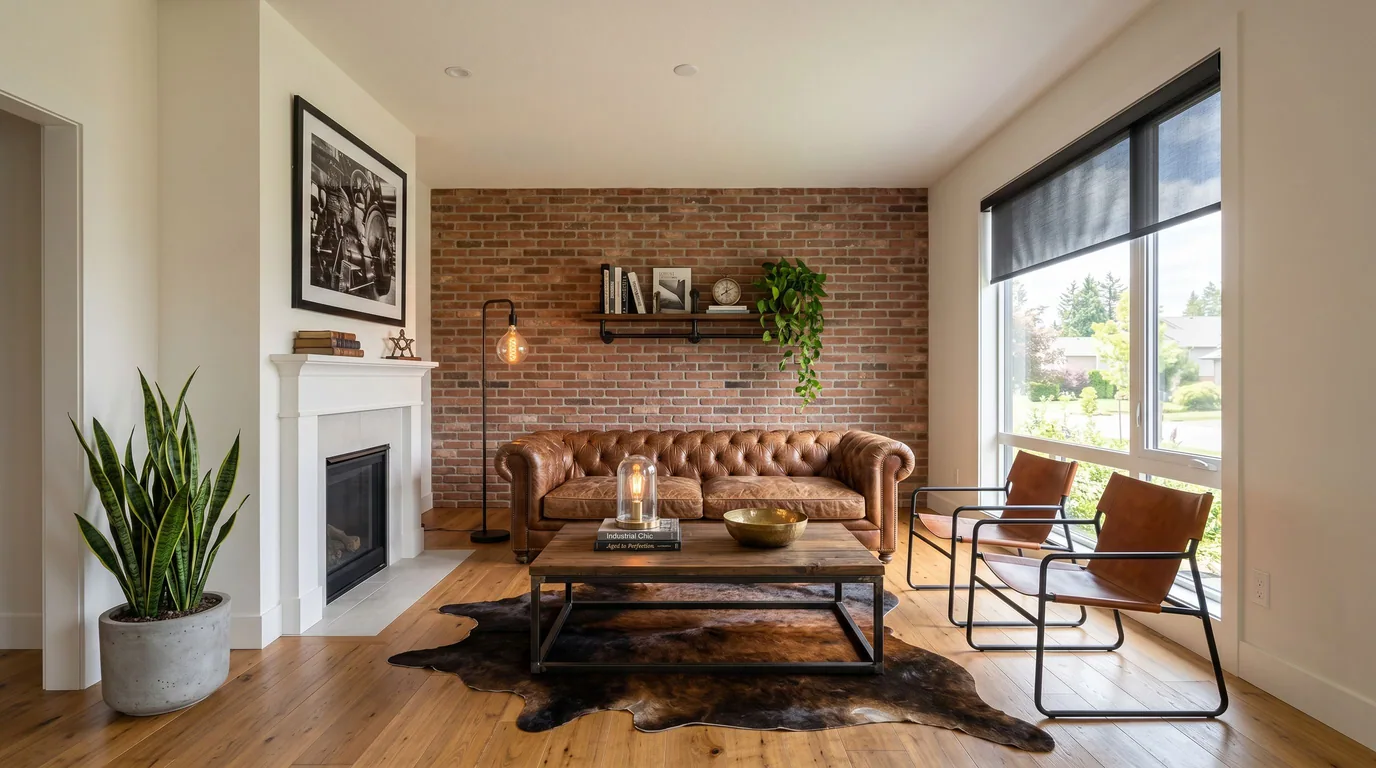
Exposed brick, black metal, distressed leather, Edison bulbs.
Industrial plays up architectural quirks rather than hiding them — exposed brick, concrete floors, ductwork, oversized windows. If the listing has any of these features, industrial will sell the building's personality at the same time as the room. If it doesn't have them, pick something else.
Best for
Warehouse and loft conversions, urban infill, exposed-brick walkups, character commercial-to-residential conversions, buyer demographics aged 28–40 in major metros.
Transitional
Blend of contemporary and classic, deeply neutral, intentionally inoffensive.
Transitional is the style you choose when you don't know who the buyer is. It avoids any strong design statement, leans on neutral upholstery and soft contemporary lines, and lets the buyer imagine their own taste on top. Boring on its own — exactly right when the listing needs to appeal to a wide pool.
Best for
Suburban family homes at mass-market price points ($350K–$800K), mixed-demographic markets, listings where the agent doesn't yet have data on the most likely buyer.